Plenty of ski resorts say they're steep. Jackson Hole has the numbers to back it up. The resort has a continuous vertical drop of 4,139 feet, 2,500 acres of in-bounds terrain and a summit at 10,450 feet that you reach by aerial tram. It is also home to Corbet's Couloir, possibly the most famous single run in American skiing. If you're a strong skier looking for one Western trip that will test you, Jackson Hole should be near the top of your list. If you're still working on blue runs, read the section on who it doesn't suit before you book.
Vertical that is hard to match
Big vertical is the main reason to go. According to the Jackson Hole Mountain Resort entry on Wikipedia, the resort is known for its steep terrain and its 4,139 feet (1,262 m) of continuous vertical. That is one of the largest continuous inbounds drops in the United States. Big Sky has more total vertical, but its continuous fall line is about 700 feet shorter. In practice, one run from the summit to Teton Village can tire your legs as much as several runs at a smaller resort.
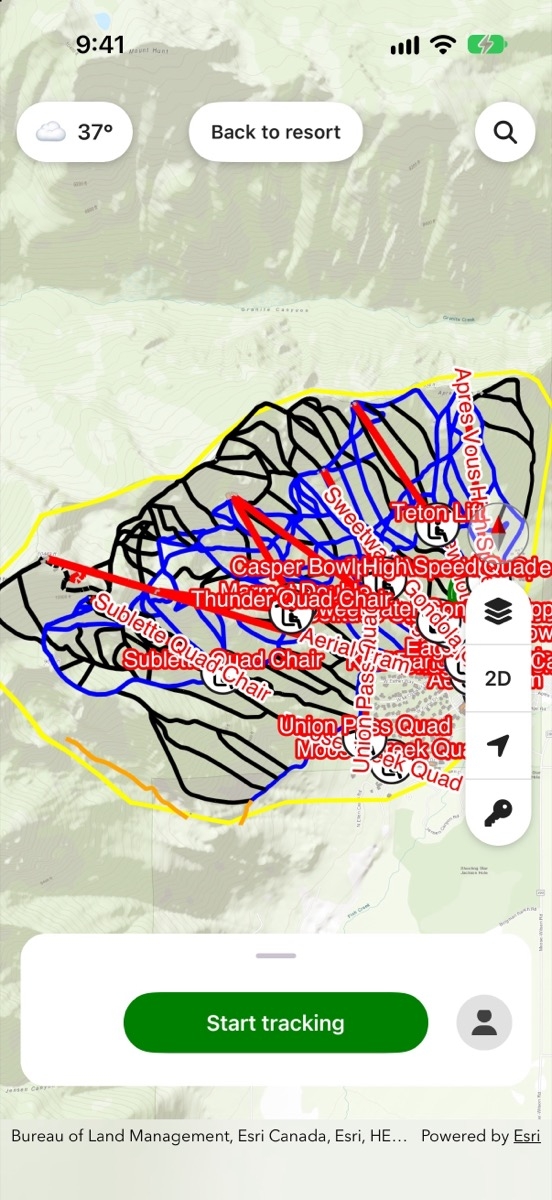
The resort covers two mountains. The intermediate terrain is mostly on south-facing Apres Vous Mountain. Rendezvous Mountain holds the advanced terrain: bowls, glades and chutes. There are 13 lifts and more than 130 named trails. On the map, the terrain generally gets harder from right to left, so the far left of the resort is where things get serious.
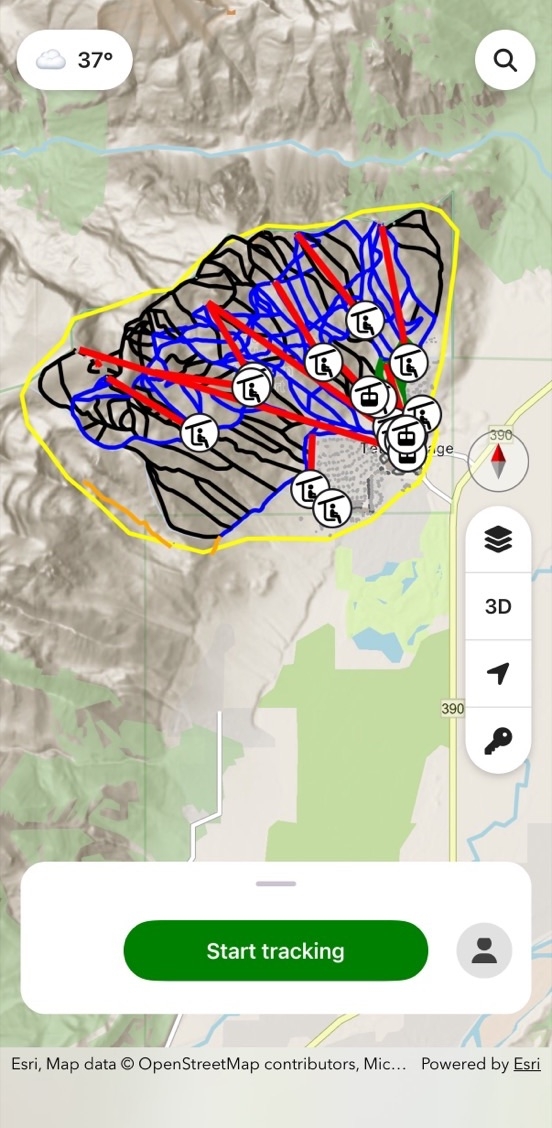
Because the resort is this large and this steep, the trail map really matters. Picking the wrong line off Rendezvous can put you somewhere you didn't plan to be. Our Jackson Hole trail map guide for first-time visitors explains the layout in detail, so this article sticks to whether the trip is worth it.
Corbet's Couloir: the run people travel for
Corbet's Couloir is named after Barry Corbet, a Jackson Hole ski instructor and mountain guide. He saw a narrow crease of snow, shaped like an upside-down funnel, high on the mountain and predicted that someone would ski it one day. Ski patroller Lonnie Ball is credited with the first descent on skis in 1967.
The entrance is the hard part. It is about ten feet wide, with rock on three sides. To get in, you drop off a cornice and free-fall roughly 10 to 20 feet, depending on snow conditions and where you jump. You land in a narrow chute between rock walls. Below that, it opens up quickly and skis like a normal expert run. The difficulty comes down to one committing move, which is exactly why people care about it.
You don't have to ski it for it to be part of your trip. When Corbet's is open, crowds gather at the entrance to look down into it, and watching other skiers drop in is a Jackson Hole tradition. The resort also hosts Kings and Queens of Corbet's, an event where elite skiers and riders take on the couloir at full speed. Ski patrol only opens it once the season's snow is deep enough to cover the entrance, so check whether it's open before building your trip around it.
The Aerial Tram and Rendezvous Mountain
The Aerial Tram is the lift that defines the resort. It runs from Teton Village to the top of Rendezvous Mountain at 10,450 feet (3,185 m). The first tram opened on July 31, 1966. It was retired after the 2005–06 season, and the current tram started running on December 20, 2008. From the top, skiers can drop onto Rendezvous Mountain's expert terrain or head out of bounds.
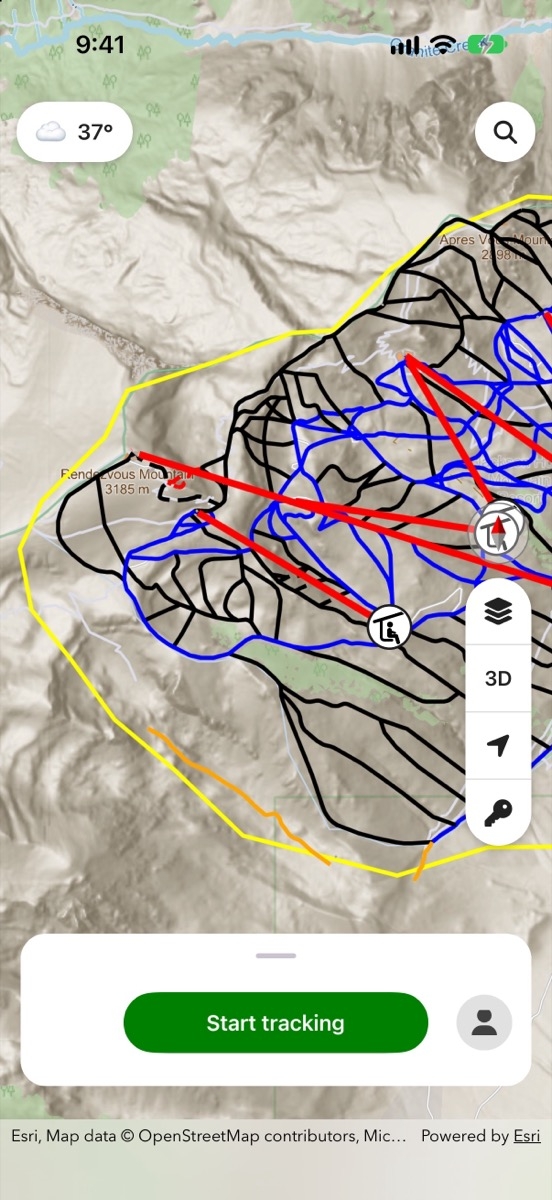
The tram also explains how the resort works. It reaches the summit from the base in one ride, so a single lap can use the whole vertical. Even Rendezvous Bowl, often treated as one of the gentler zones up top, is steeper than its rating suggests. Visitors regularly say runs like Werner and Upper Teewinot would count as hard blacks at many Eastern resorts.
The Hobacks and powder days
Snow is a big part of the appeal. The Jackson Hole Chamber puts average snowfall in the mountains at about 450 inches a year. Mid-mountain, at 8,180 feet, averages about 390 inches. On a powder day, the Hobacks are one of the places experienced skiers head first. This wide-open zone is reached from the Sublette Quad. It gets sun early, so ski it in the morning. In spring, the same slopes soften into smooth corn snow by the afternoon.
The setting
Jackson Hole is the name of a valley between the Gros Ventre Range and the Teton Range. Early trappers used "hole" to mean a large mountain valley. The resort sits on the Teton side, and the ride to the summit gives wide views of the Tetons and the valley below. The official Jackson Hole Mountain Resort FAQ confirms the 10,450-foot summit and the 2,500 in-bounds acres. The town of Jackson is about 12 miles away, and Jackson Hole Airport is about 11 miles from Teton Village.
Who it suits, and who it doesn't
It suits:
- Advanced and expert skiers who want sustained steep terrain, chutes and long top-to-bottom runs
- Strong intermediates who want to push themselves, as long as they're comfortable with blues that ski harder than they would elsewhere
- Skiers who want one marquee objective, like Corbet's, to plan a trip around
It is a harder sell for:
- Beginners and low intermediates. Jackson Hole has limited terrain at these levels, and most of the mountain is blue and black.
- Mixed-ability groups who want to ski the same runs together all day
If your group includes less experienced skiers, the nearby Grand Targhee Ski Resort in the same region is worth comparing.
Plan your visit
- Best time: Midwinter is best for deep snow and powder days in the Hobacks. Late season brings spring corn on sunny slopes. Go when there's enough snow cover if Corbet's is the goal, because it only opens once the entrance is filled in.
- First-visit must-do: Ride the Aerial Tram to the top of Rendezvous Mountain and stop at the entrance to Corbet's Couloir. Drop in only if it's open and you're confident with a committing cornice entry. Then take a long run all the way to Teton Village to feel the full vertical.
- Tools: The Jackson Hole Mountain Resort page and the Jackson Hole Mountain Map app help you keep track of where you are on a mountain this steep.
The verdict
Jackson Hole is a must-ski for anyone who measures a resort by steepness and vertical. The tram, the expert terrain on Rendezvous Mountain and the drop into Corbet's give it a character few American resorts can match. If that sounds like what you want, put it on your list. If you're still building confidence on blue runs, wait until you're ready for it.
